After the Storm Passes: A Homeowner's Guide to Finding Hidden Roof Damage
Another Arkansas pop-up storm has rolled through, leaving behind freshly washed streets and a sigh of relief. You glance up at your roof, and from the ground, everything looks intact. No missing shingles, no fallen branches—it seems you’ve weathered another one. But the most costly damage isn't always the most obvious. Severe weather, from hail and straight-line winds to heavy rain, can cause subtle issues that compromise your roof's integrity, leading to slow leaks and expensive repairs down the road. As a local Little Rock roofing company, we've seen firsthand how minor, overlooked damage can turn into a major headache for homeowners. This guide will help y'all learn what to look for beyond the obvious, so you can protect your home and your investment.
The Subtle Signs of Hail Damage
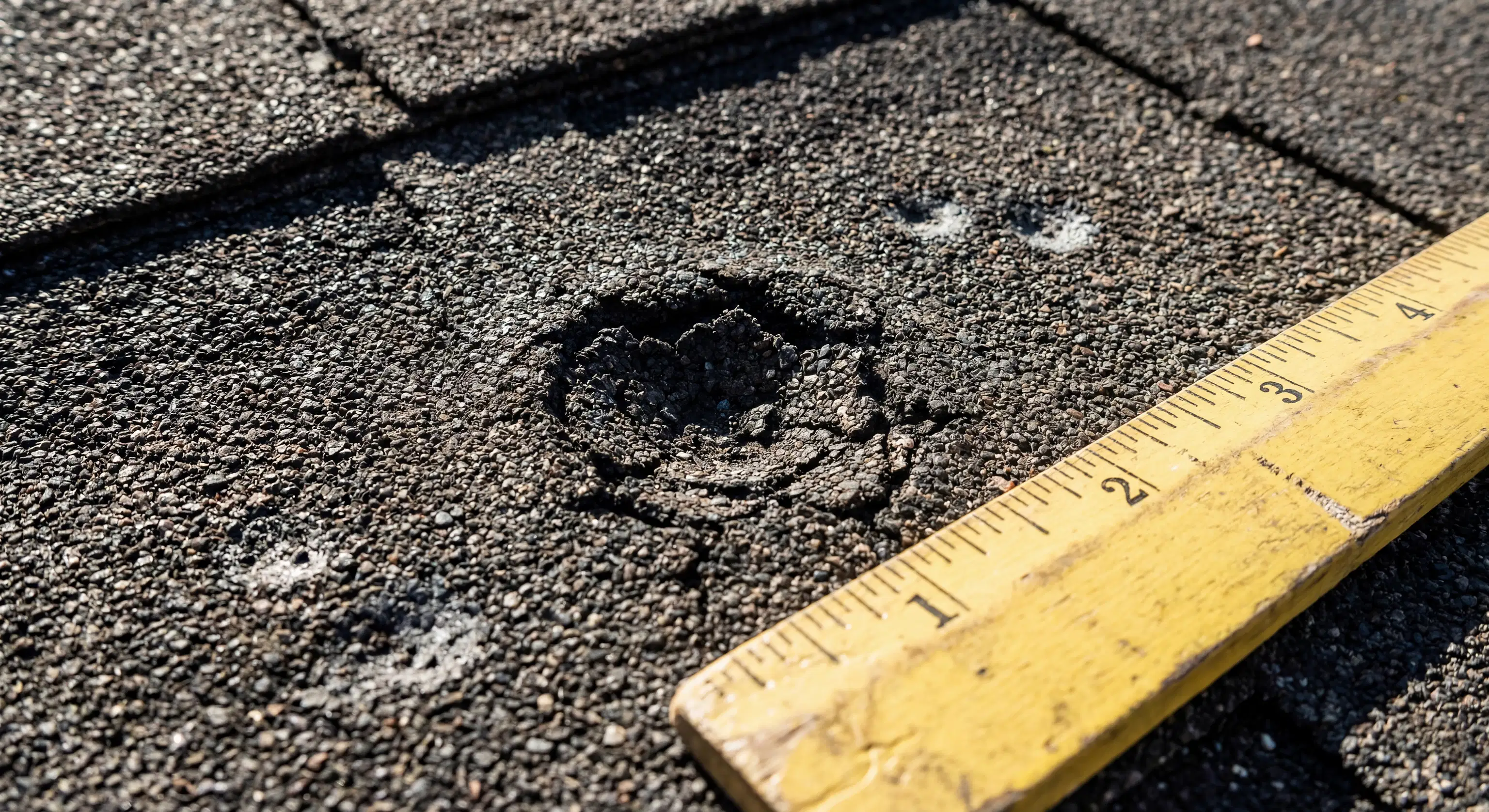
When most people think of hail damage, they picture large, obvious dents. While significant hailstones certainly leave their mark, even smaller, pea-sized hail can cause serious problems that are nearly invisible from the ground. The primary issue isn't just a cosmetic dent; it's the loss of the protective granular surface on your asphalt shingles.
- Granule Loss: These tiny, sand-like granules are your roof's first line of defense against UV rays and moisture. Hail impacts knock them loose, exposing the underlying asphalt mat. Look for areas on your shingles that appear dark, shiny, or 'bald.' You might also notice an accumulation of these black granules in your gutters and downspouts.
- Shingle Bruising: A hailstone can fracture the shingle's fiberglass mat without visibly cracking the surface. This creates a soft, spongy spot, much like a bruise on an apple. Over time, this weakened area will deteriorate, creating a pathway for water to seep in. A professional can spot this by touch during a hands-on inspection.
Ignoring these subtle signs can drastically shorten your roof's lifespan and void manufacturer warranties, making a professional assessment crucial after any significant hailstorm.
The Invisible Threat of High Winds
After a storm with high winds, it’s easy to spot a shingle that’s been completely torn off. But the more common and insidious damage happens when shingles are lifted and then settle back into place. This wind uplift breaks the watertight seal that bonds the shingle layers together.
Once this seal is compromised, the shingle is vulnerable. The next gust of wind can easily tear it away, and wind-driven rain can be forced underneath, leading to leaks. When inspecting your roof, look for:
- Shingles that are curled, creased, or lifted at the edges.
- Loose or damaged flashing around chimneys, vents, and skylights.
- Cracked or displaced soffit and fascia boards along the roofline.
These areas are particularly susceptible to wind damage and are often the first points of failure. A broken seal is impossible to see from the ground, which is why a close-up inspection is so important.
Your Gutters: The Roof's Early Warning System
Your home's gutter system does more than just channel rainwater; it also provides valuable clues about the health of your roof. After a storm, one of the first places you should check is your gutters and downspout outlets.
As mentioned earlier, a large accumulation of shingle granules is a major red flag indicating that your shingles have been damaged by hail or are simply reaching the end of their life. Additionally, check your gutters and downspouts for dents, dings, or sections that have been pulled loose from the house. If the hail and wind were strong enough to damage your metal gutters, there's a very high probability that your roof sustained damage as well.
Why a Professional Inspection is Your Best Move
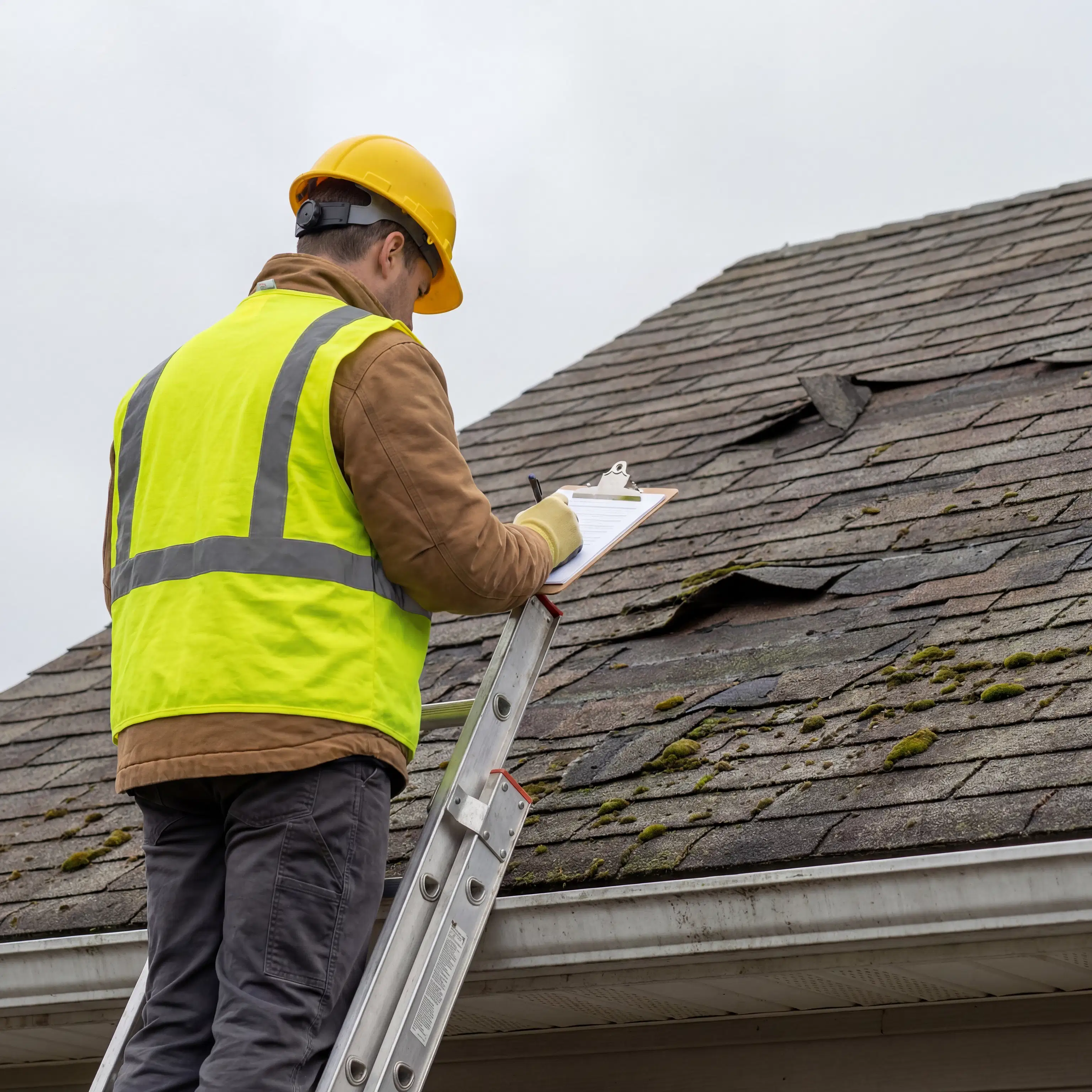
While a visual check from the ground is a good first step, it’s not a substitute for a thorough, professional inspection. Safely navigating a roof, especially a wet or steep one, requires training and proper equipment. More importantly, a trained expert knows exactly what to look for. We can identify the subtle bruising, broken seals, and hidden damage that an untrained eye will miss.
After severe weather, our area often sees an influx of 'storm chasers'—out-of-state companies that knock on doors and pressure homeowners into signing contracts. As a local company, Ringer Roofing is committed to our community for the long haul. We provide honest, detailed inspections with photos, help you understand the condition of your residential roof, and assist with the insurance claim process if necessary. Our goal is to build trust and ensure your home is protected with quality workmanship that stands up to Arkansas weather, not just to make a quick sale and leave town.
Don't Wait for a Drip—Get Peace of Mind Today
The aftermath of a storm can be deceptive. What looks like a perfectly fine roof could be hiding problems that will only reveal themselves through water stains on your ceiling months later. By being proactive and looking for the hidden signs of hail, wind, and debris damage, you can address issues before they escalate.
If you have any concerns about your roof's condition after a recent storm, don't leave it to chance. Contact the trusted local experts at Ringer Roofing. We offer a free, no-obligation roof inspection to give you a clear and honest assessment. Let us help you ensure your Little Rock home is safe, secure, and protected. Schedule your free inspection today!