The Ultimate Guide to Commercial Roof Maintenance and Leak Prevention
Running a business comes with a never-ending list of responsibilities, and maintaining your commercial facility often gets pushed to the back burner until a major issue arises. However, waiting for a water stain to appear on your ceiling is a risky strategy. Here in Little Rock, where we experience everything from brutal summer heat to sudden spring hailstorms, your building's exterior takes a beating year-round. A compromised roof can lead to disrupted operations, damaged inventory, and significant financial setbacks that impact your bottom line.
Taking a proactive approach to your commercial property is the single best way to protect your investment. By understanding the common vulnerabilities of flat and low-slope roofs, you can stay ahead of the curve, extend the life of your materials, and avoid the chaotic scramble of emergency roof leak repair. Let us walk you through the essential commercial flat roof maintenance tips and strategies that will keep your business dry, safe, and fully operational no matter what the forecast brings.
Identifying Common Commercial Roof Vulnerabilities
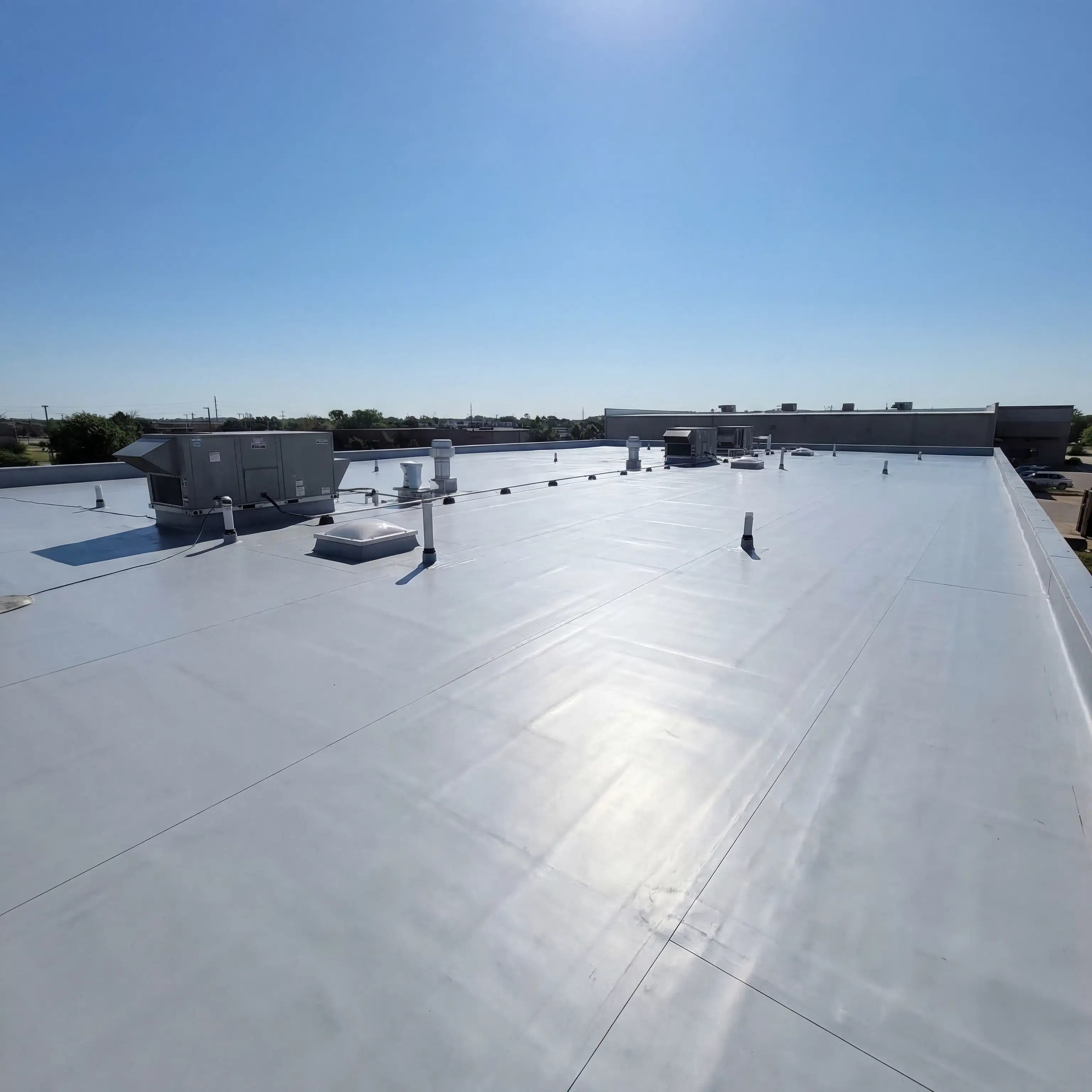
Commercial roofing systems are distinct from residential roofs, requiring a completely different set of maintenance protocols. One of the most frequent challenges property managers face is preventing ponding water on commercial roofs. When water accumulates and sits on a flat surface for more than 48 hours, it begins to degrade the roofing membrane. This prolonged moisture exposure can break down the seams of TPO commercial roofing or EPDM systems, eventually allowing water to seep into the underlying insulation and the building itself.
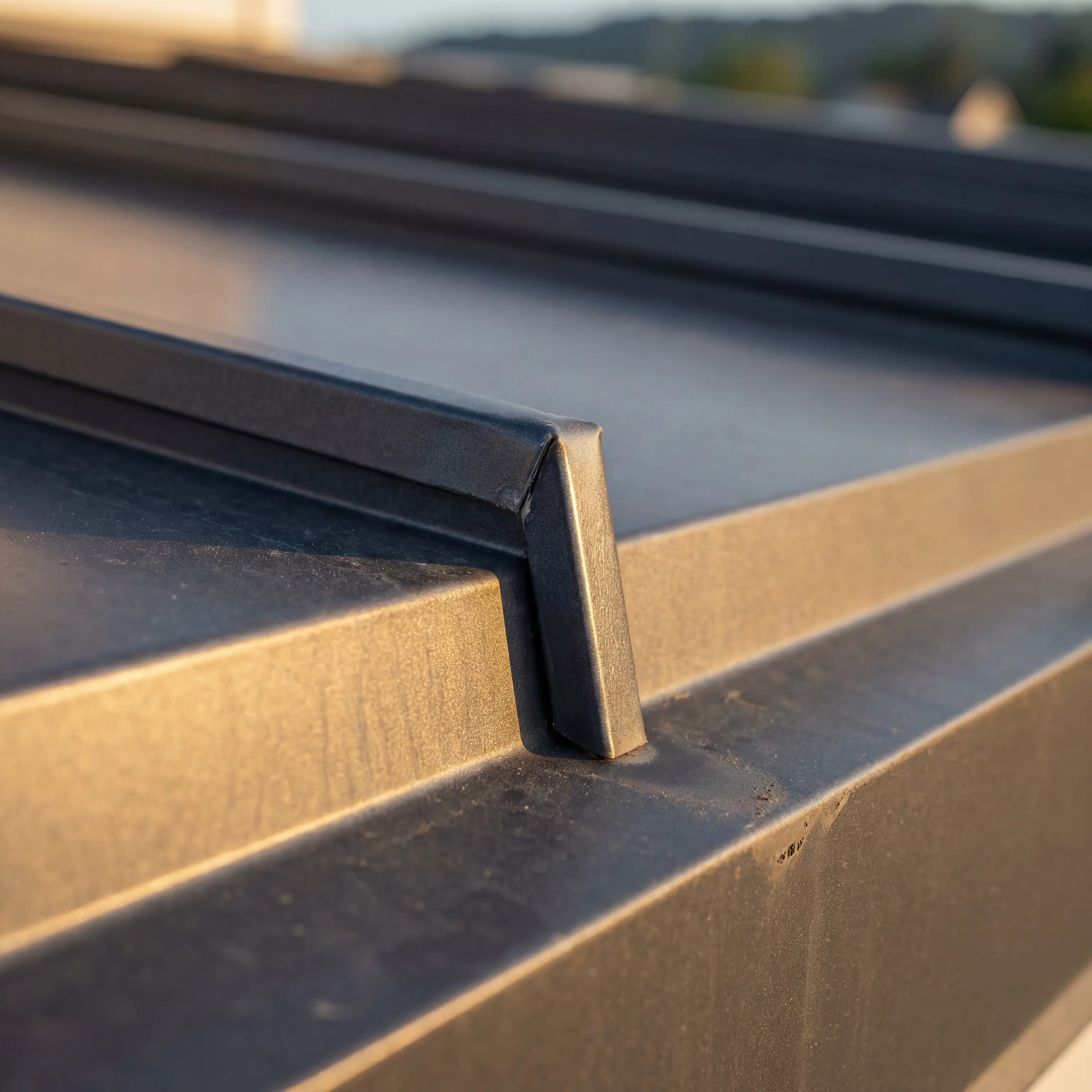
Beyond standing water, thermal shock is another major factor. The intense Arkansas weather causes roofing materials to expand during the blistering heat of the day and contract rapidly as temperatures drop overnight. Over time, this constant shifting can cause materials to crack, blister, or shrink away from the flashing around HVAC units, vents, and parapet walls. Flashing is notoriously vulnerable; if it pulls away or the sealant degrades, water has a direct pathway inside.
Catching these issues early is critical. Ignoring minor wear and tear usually results in accelerated deterioration, meaning you might find yourself needing a full replacement years earlier than expected. Regular monitoring helps you manage cash flow predictably rather than being hit with a sudden, massive capital expense.
The Importance of Thorough, Hands-On Inspections
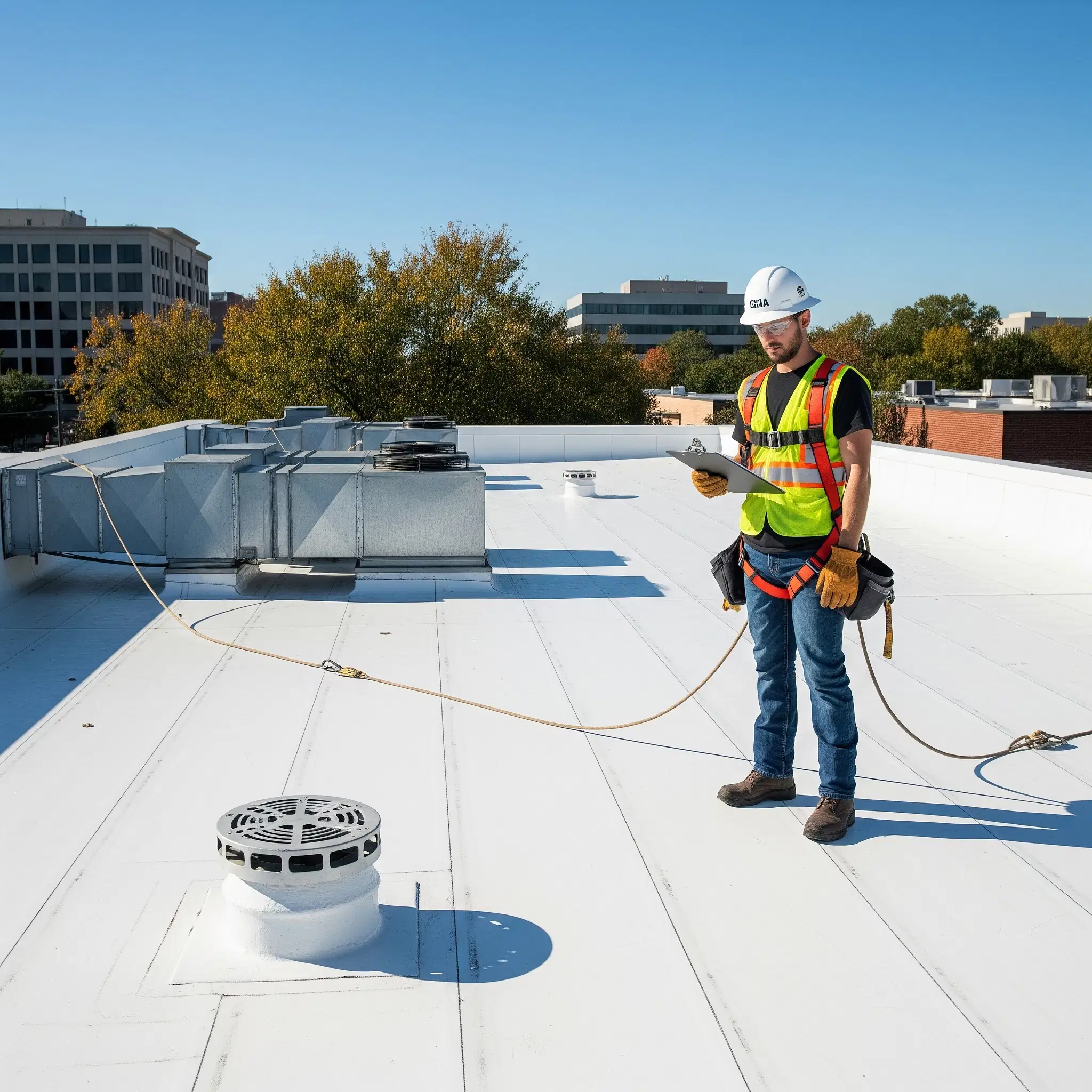
In recent years, many contractors have shifted heavily toward using drones for quick aerial inspections. While we embrace modern technology like digital estimating platforms and professional measurement software to provide you with fast, accurate quotes, we firmly believe that nothing replaces a traditional, hands-on roof inspection. Relying solely on a drone might give a nice overview, but it frequently misses the subtle, physical signs of early-stage damage.
Commercial roof leak detection and repair requires getting up close and personal with the materials. Our professionals physically check the integrity of seams, feel for soft spots in the underlying insulation that indicate hidden moisture, and manually test the adhesion of flashing. We take this comprehensive approach because we know that accurately diagnosing repair versus replacement can save your business thousands of dollars.
If you own a property—whether it is a trendy mixed-use space in SOMA or an industrial warehouse—scheduling bi-annual inspections (typically in the spring and fall) is the cornerstone of extending lifespan of commercial roofing systems. During these visits, a qualified team can clear debris from drains and scuppers, document any new signs of wear, and provide actionable recommendations before minor wear turns into a disruptive leak. For businesses needing expert oversight, our light commercial roofing services ensure your building is evaluated with the utmost precision.
Upgrading Your Materials for Long-Term Durability
Sometimes, maintenance alone isn't enough, especially if your current roof is nearing the end of its functional life or was improperly installed by a previous contractor. When it comes time to upgrade, selecting the right materials for our specific climate is vital.
For flat roofs, high-quality TPO and EPDM membranes remain industry standards. TPO, in particular, is highly reflective, which makes it an excellent choice for businesses looking to improve energy efficiency and reduce cooling costs during our sweltering summers. Upgrading to a thicker membrane or adding high-density cover boards can also drastically improve resistance to hail and heavy foot traffic from HVAC technicians.
If your commercial property features a sloped design—such as an office building, a church, or a retail storefront—you might want to consider metal roofing. Metal systems are exceptional at shedding water and snow, are highly resistant to fire and wind, and can last for decades with minimal maintenance. While the upfront investment is higher, the long-term ROI is undeniable, providing unmatched durability against severe storms and offering significant energy savings by reflecting solar heat.
Protect Your Business with Proactive Care
Your commercial roof is the first line of defense for your inventory, employees, and daily operations. By prioritizing routine maintenance, keeping drainage systems clear, and partnering with a trusted professional for thorough, hands-on inspections, you can dramatically improve the performance and longevity of your roofing system. You do not have to navigate the complexities of commercial property maintenance alone.
At Ringer Roofing, we are dedicated to helping businesses across Central Arkansas safeguard their facilities with honest assessments, premium materials, and unparalleled workmanship. We take pride in building long-term relationships with our commercial clients, ensuring that you have a reliable partner whenever you need support or guidance.
If you are concerned about the current state of your building, or if it is simply time to establish a reliable maintenance routine, reach out to our team today. Visit our contact us page to schedule a comprehensive consultation, or use our instant estimator tool to start planning your next project with confidence.