Why Hands-On Roof Inspections Outperform Drones
In today's fast-paced world, technology is transforming how we maintain and repair our homes. From smart thermostats to automated security systems, digital innovations offer incredible convenience. The roofing industry is no exception, with many companies now relying heavily on drones to conduct initial property assessments. While a flying camera can certainly provide a quick overview of your property, it often falls short when it comes to diagnosing the true health of your home's exterior.
When severe weather rolls through Central Arkansas, homeowners need more than just a bird's-eye view to ensure their property is secure. High winds, sudden hail, and torrential rain can cause complex damage that isn't always visible from a screen. That is why relying solely on aerial photography can be a risky gamble for your biggest investment.
While we embrace modern technology to make our processes smoother and more transparent, we firmly believe that nothing replaces the expertise of a trained professional physically examining your property. Let's explore why a traditional, hands-on approach remains the gold standard for protecting your home.
The Limits of a Bird's-Eye View
It is easy to see the appeal of drone technology. It is fast, keeps workers on the ground, and produces high-resolution images of your property. However, when comparing an in person roof inspection vs drone inspection, the differences in thoroughness become immediately apparent.
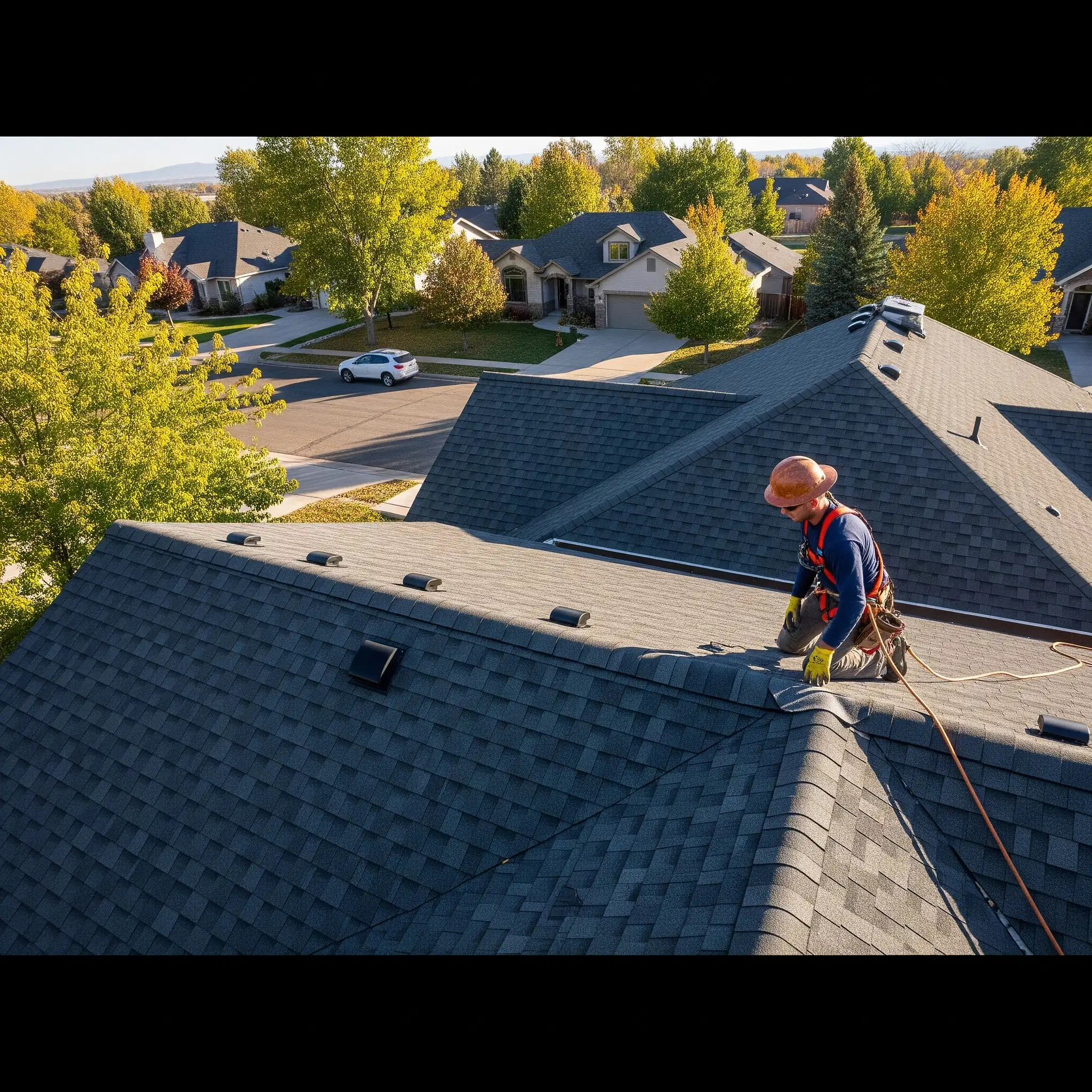
A drone can easily spot catastrophic damage, such as a massive tree branch that has punctured your decking or large sections of missing shingles. But most weather-related wear and tear is far more insidious. A camera hovering twenty feet in the air cannot feel the grit of the shingles, test the flexibility of the underlayment, or check the integrity of the flashing around your chimney.
Roofing materials are designed to work together as a cohesive system. When one component is compromised, the entire system is at risk. A physical inspection allows a trained expert to walk the surface, feeling for soft spots in the decking that might indicate hidden moisture damage—something a drone simply cannot detect.
Detecting Subtle Shingle Lifting and Hail Bruising
One of the most significant challenges homeowners face after a storm is identifying damage that hasn't yet caused a visible leak. This is where accurate roof damage assessment techniques are absolutely critical.
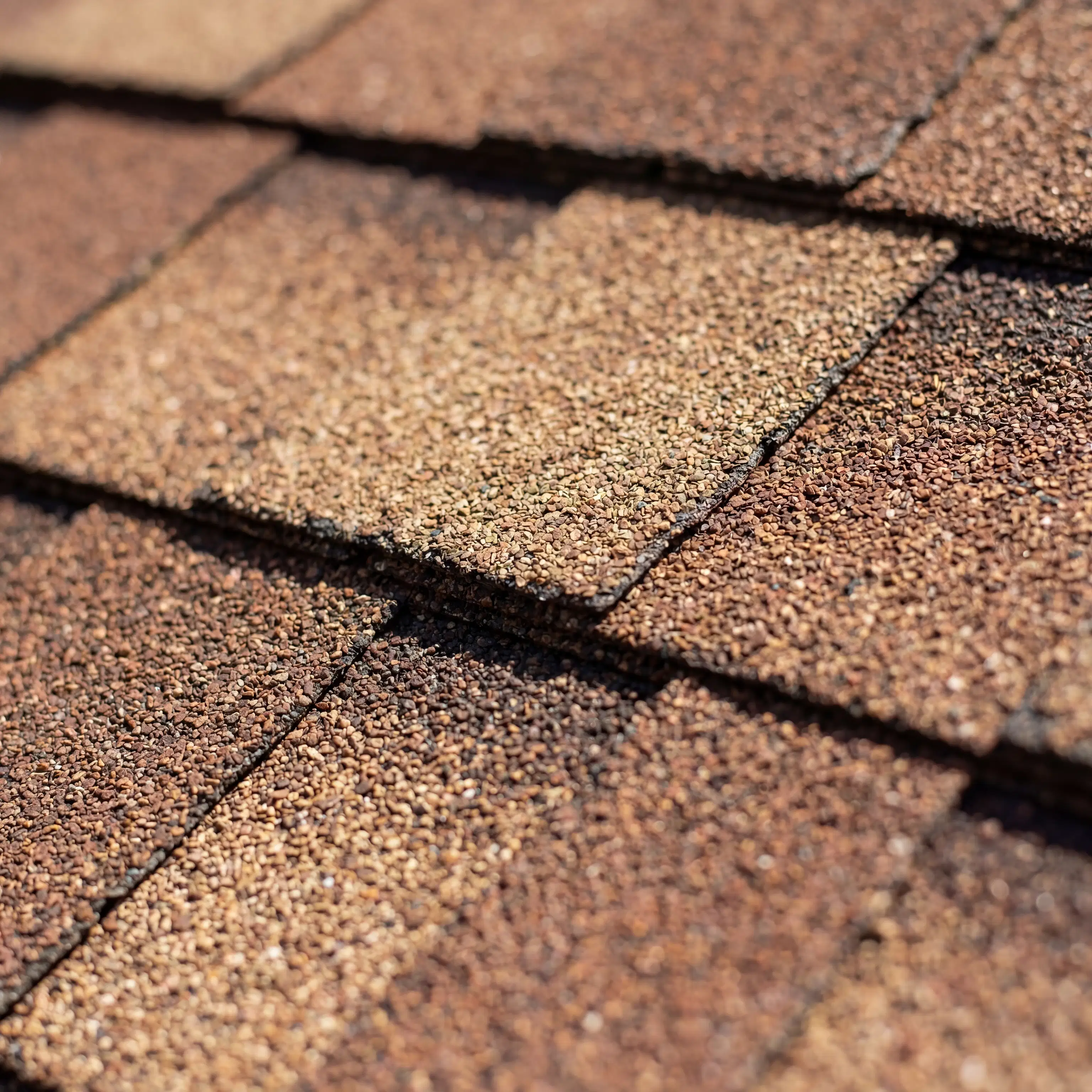
Consider the impact of hail. When hail strikes an asphalt shingle, it doesn't always leave a gaping hole. Often, it causes a "bruise"—a localized area where the protective granules have been dislodged and the fiberglass matting underneath has been fractured. Over time, exposure to intense UV rays and unpredictable Arkansas Weather will cause this bruised area to degrade rapidly, eventually leading to a leak. A drone might miss these subtle dark spots, but a roofer physically running their hand over the shingle will immediately feel the indentation and granule loss.
Similarly, high winds can cause shingles to lift slightly, breaking the adhesive seal that keeps them watertight. Once that seal is broken, wind-driven rain can easily penetrate the layers below. Detecting subtle shingle lifting and hail bruising requires a tactile approach. A professional must gently lift the edges of the shingles to check the integrity of the sealant strip. If you are considering residential roofing repairs, ensuring these minor issues are caught early can save you from needing a complete replacement prematurely.
The Insurance Advantage: Benefits of Physical Roof Damage Evaluations
Navigating an insurance claim after a severe storm can be a stressful and confusing process. Insurance adjusters require detailed, undeniable proof of damage before approving a claim. This is another area where the benefits of physical roof damage evaluations truly shine.
Unfortunately, after major weather events, out-of-state storm chasers often flood the area. Many of these companies rely on quick drone flights to generate generic estimates, hoping to secure a fast payout before moving on to the next town. When an insurance adjuster reviews a claim based solely on drone photos, they may push back, arguing that the images do not conclusively prove the damage was caused by a recent storm.
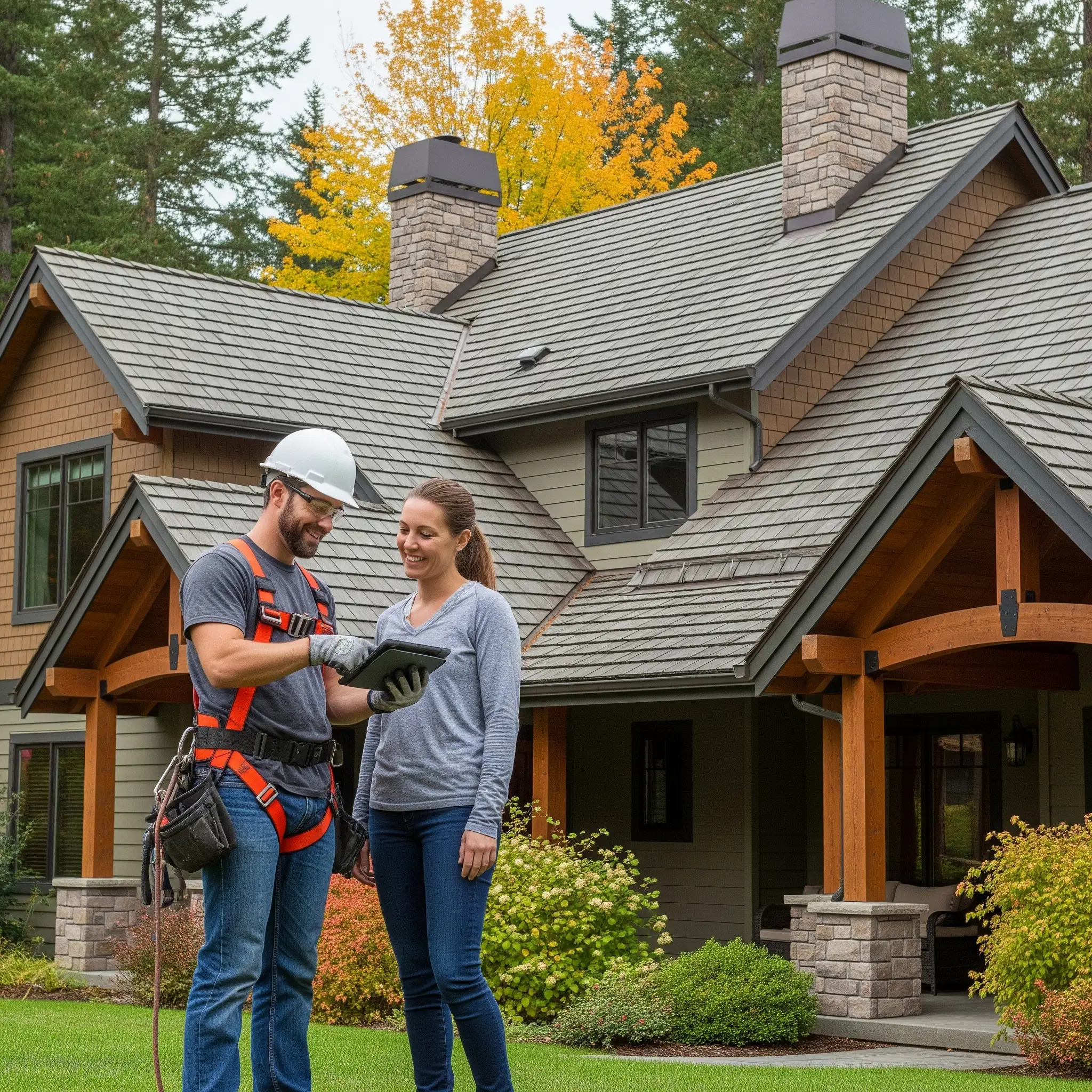
An in-person inspection provides the comprehensive documentation needed to advocate on your behalf. A local expert will take close-up photographs with scale markers, document the condition of the soft metals (like gutters and vents) which often show the first signs of hail impact, and provide a detailed written report of their physical findings. This level of detail leaves little room for doubt, helping to streamline the claims process and ensuring you receive the coverage you deserve.
A Hybrid Approach: Technology Meets Craftsmanship
Advocating for hands-on inspections does not mean rejecting technology altogether. In fact, the most effective approach combines the tactile expertise of a physical assessment with the efficiency of modern digital tools.
Once a thorough physical inspection is complete, technology plays a vital role in the next steps. We utilize advanced roof measurement software to ensure our material estimates are precise down to the inch. Digital estimating platforms allow us to provide you with clear, transparent, and easy-to-read quotes without any hidden fees.
Whether you live in a historic home or a newer build in West Little Rock, this hybrid approach ensures you get the best of both worlds. You receive the peace of mind that comes from a meticulous, human-led inspection, paired with the streamlined communication and accurate pricing that modern software provides. This thorough process is especially important if you are considering upgrading your home's defense with metal roofing, where precise measurements and a flawless decking surface are paramount for a successful installation.
Secure Your Home with a Trusted Local Assessment
Your roof is your home's first line of defense against the elements. While drones are fantastic tools for capturing sweeping aerial footage, they simply cannot replace the nuanced, tactile assessment provided by an experienced professional. From feeling for hidden moisture damage to identifying the subtle signs of wind and hail impact, a physical inspection ensures that no detail is overlooked.
Don't leave the safety of your home to a flying camera. If you suspect your property has weathered a recent storm, or if it is simply time for a routine check-up, trust a local team that takes the time to do the job right. Reach out to us today to contact us and schedule a comprehensive, hands-on inspection in Little Rock. We are here to provide the honest answers and durable solutions you need to protect your family and your investment for years to come.